
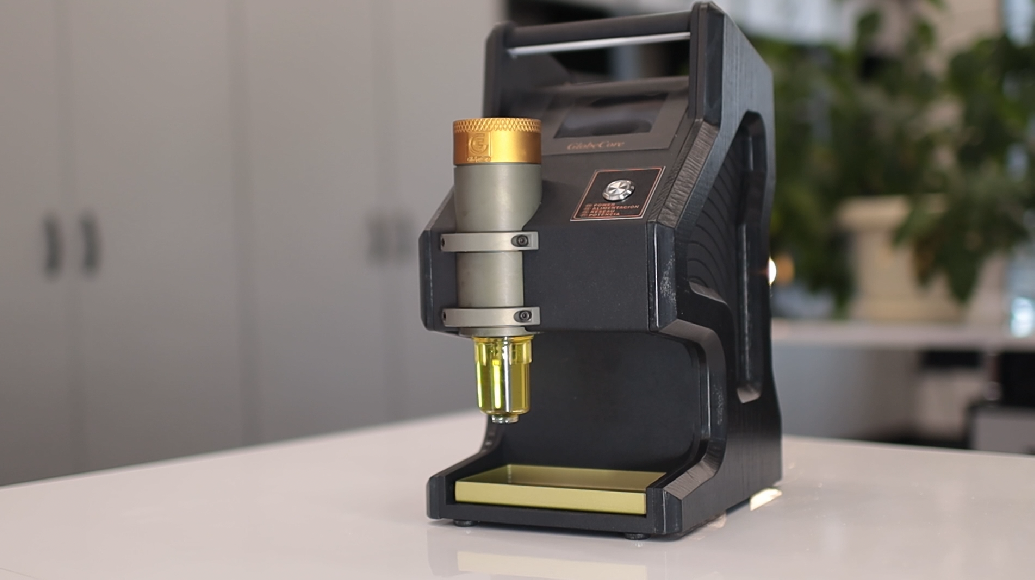
A transformer oil moisture tester is indispensable in electrical laboratories and for organizations that operate or maintain transformers.
Ways of moisture ingress into the transformer
A transformer oil moisture tester is important in routine monitoring of the equipment for proper functionality. After all, as aging progresses, moisture can accumulate in the transformer tank. Water can enter transformers in various ways and even develop from the inside. Thus, while paper insulation and dielectric material are aging, there develops moisture as a byproduct of chemical reactions. Along with that, in this case, the acidity level increases, there develop signs indicating the formation of furans (a product of insulation degradation), and the dielectric strength decreases.
Moisture can be absorbed by the windings and by oils from the air due to the system sealing failure. Furthermore, the mechanical parts such as bushings, caps, radiator flanges, manometer, or pressure relief devices may begin to leak as they age. If the level of moisture in oil is high, it also affects the paper insulation.
Using the wet equipment, regardless of the model, causes a lot of problems. Let’s discuss in greater detail the danger of moisture in transformers and how to prevent its occurrence.
Probable adverse effect of moisture on a transformer
Without moisture level monitoring, transformers may undergo the following changes:
- Accelerated aging processes: the moisture contained in the transformer may cut the time of its operation in half. After all, the water remaining inside the transformer for a long time causes corrosion processes, developing rust, and deteriorated condition of the structural metal parts.
- Frequent failures — unlike transformer oil, water is a poor conductor of heat, which disrupts the cooling system operation. Due to this, the transformer is more likely to become overheated and fail which may lead to inevitable problems as time goes by.
- Increasing power consumption — as affected by moisture, the transformer insulation resistance can increase, which may lead to an increase in power consumption and a deterioration in transformer performance.
- Insulating strength decreases — moisture damages the transformer insulation which may lead to transformer malfunctioning.
- Fire hazard: if the level of moisture saturation is too high, the risk of arcing or short-circuiting increases.
Normalization of moisture in transformer oil
According to the standards, the moisture content of a new transformer shall not exceed 0.5% of the paper insulation weight and contain less than 10 mg/kg of water as specified in IEEE C57.106. Thus, for example, a new transformer with the paper insulation and the oil weighing 5,000 kg and 20,000 kg, respectively, will contain 25 kg of water in the paper insulation and about 200 g of water in the oil.
The averaged moisture values for new oil are 13–30 ppm according to IEC 60296 and 65 ppm for waste oil.
At the same time, the known saturation of oil with moisture helps in calculating the moisture content of the windings paper insulation which is more difficult to measure using an instrument-based method. Thus, according to IEEE C57/106:2006, when the oil moisture is less than 5%, the paper insulation is considered dry; at 5–20%, the insulation is considered moderately wet, depending on the specific value; when the saturation is more than 20%, the windings are considered wet.
Express test of moisture in transformer oil
Moisture is a significant factor that may stop the transformer operation. Unfortunately, it is not always possible to trace changes in the composition of oil, to seize the opportunity when moisture has just appeared and failed to cause serious damage. In order to facilitate the work of technical teams, GlobeCore has developed a solution — TOR-1 transformer oil moisture tester. It allows performing a primary analysis of transformer oil promptly in the field and detecting the moisture content. This helps save time and money on performing analyses in the lab and take urgent measures to prevent the occurrence of serious failures if required.
Measurement by means of TOR-1 is facilitated by a capacitance sensor. The upgraded model of the tester includes a heating and stirring system. This allows ensuring the solubility of moisture in the sample and making the instrument readings independent on the ambient temperature to obtain more accurate results. Furthermore, the sensor used is not sensitive to other contaminants; thus, they don’t affect the readings.
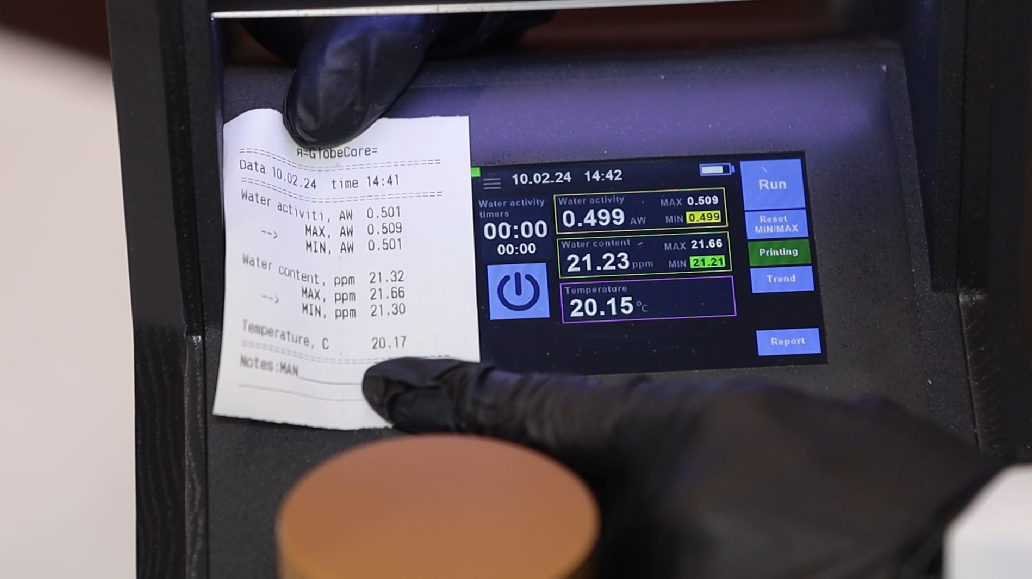
And full automation of the analysis process is facilitated by software upgrades. After filling the cell, the result is returned once the maximum and minimum moisture content calculation is completed, which takes up to 10 minutes.
Advantages of TOR-1 transformer oil moisture tester
The TOR-1 transformer oil moisture tester will be a useful addition to power transformer maintenance as it helps prevent costly water damage. Monitoring the moisture level, technicians can take the appropriate measures.
The tester allows analyzing the oil in the field owing to an integrated battery. The battery can withstand prolonged, cyclic, deep, and high-current discharges, as well as features low self-discharge rates during long-term storage and reliable self-protection against overcharges.
The upgraded model also includes an RGB backlight which indicates the testing stages. The backlight color changes from orange at the start of analysis to green when the results are available.
The TOR-1 transformer oil moisture tester enables rapid diagnostic evaluation of transformer oil and allows prompt action to be taken without waiting for laboratory analysis results. This is possible even in remote areas, directly in the field, near the transformer, and without the need to connect the instrument to an external power supply.
The TOR-1 moisture tester allows for quick response to system conditions, helping to prevent defect development in transformers and improve their reliability.
 OIL MOISTURE METER ...
 Hydrogen and Moisture ...
 OIL TAN DELTA ...
 EN
EN  FR
FR